
Some dates arrive with a weight you can feel days before they land. A parent’s birthday. The anniversary of the day they died. Mother’s Day, when every store window seems to shout. If you’re dreading the next one, you aren’t doing grief wrong. Honoring deceased parents on these days doesn’t take a grand ceremony, just a little planning and a lot of tenderness.
I know this ache from the inside, because I lost my mother in 2020. Below you’ll find a four-part plan for hard dates, rituals for a birthday and a death anniversary, and honest words about when grief needs more than ritual.

My mother, her Halloween birthday and a bonsai grown from mud
My mother was born on October 31, 1954. Yes, Halloween. So every October, the stores fill up with costumes and candy right as her birthday comes around. She passed on April 9, 2020. I’m her only child. We had 28 years together. That same year, COVID also hit my own health.
These days, my Dad and I carry her traditions between us. In fact, the name Cardinal Valor honors her “quiet fire,” and our story lives on my About page.
I think of my grief as a bonsai tree grown from mud. At first, it was all mud and mess. Over time, though, I learned to tend it. I water it, trim it and give it light. It didn’t disappear, but it took a shape I can carry. To me, honoring deceased parents means tending what grew from the loss.
Why birthdays and death anniversaries hit so hard
Maybe you feel steady for weeks and then fall apart on the morning of the anniversary. Nothing is wrong with you. The National Cancer Institute describes grief bursts, or pangs as short periods of very intense distress, lasting about 20 to 30 minutes. Reminders like holidays and the anniversary of a death can set them off.
The days leading up to a date can feel heavy too. A smell drifts by, the light shifts, and suddenly you’re back in that hospital hallway or that kitchen.
The National Institute on Aging puts it plainly: there’s no right or wrong way to mourn. So give yourself permission to feel whatever shows up. That includes sadness, of course, but also relief, anger, numbness or even laughter. All of it belongs.
A simple plan for honoring deceased parents on hard days
Grief loves an empty calendar. When a hard date arrives with no plan, the hours can stretch forever. However, a plan doesn’t have to be big. Honoring deceased parents can feel lighter when the day has a gentle shape, so I suggest four small pieces, decided about a week ahead:
- One ritual. A single act that honors them, such as cooking their dish or lighting a lamp.
- One comfort. Something kind for your body, like a walk, a nap, a warm meal and plenty of water.
- One person. Someone you can text who knows what day it is, so you don’t have to explain.
- One exit. Permission to leave the gathering, skip the party or go to bed early.
Next, tell the people close to you what you plan to do. For example, you might text your cousin, “Saturday is my dad’s birthday. I’m cooking his curry and would love company, but I might be quiet.” Clear words save everyone from guessing. And if your siblings want different things, let each person own one piece of the day, such as the prayer, the meal or the visit.
Rituals for honoring your parents on their birthday
A birthday celebrates the day they arrived, so it can hold some joy alongside the tears. Pick one, or mix them however you like.
Cook their dish
Few things bring a person back like the smell of their cooking. Make the dish they were known for, even if yours tastes a little different. Picture a woman whose mother made dhal and roti every Sunday. Her first roti comes out lopsided, she laughs, and she still feels her mother right there in the kitchen.
If nobody wrote the recipe down, call the aunt or old friend who ate it most often. Cook it together on speakerphone, and write it down this time.
Light a diya or a lamp
In Hindu tradition, the diya, a small clay oil lamp, stands for light dispelling darkness. Place one near their photo and sit with it for a few minutes, then blow it out before you leave the room. If an open flame isn’t safe in your space, an LED candle works too. Or simply turn on one lamp and say their name out loud.

I love this one because it’s so small. One flame, one name, one quiet minute. Some years that’s all the ritual you’ll have room for, and that’s enough.
Give in their name
In Hindu practice, food offerings are an integral part of shraddha, the rites for the ancestors. So giving in a parent’s name has deep roots. Donate to a cause they loved, buy groceries for a neighbor or drop off canned goods at a food pantry. That way, their kindness keeps moving through you.
Write them a letter
Some things never got said, and a letter gives them somewhere to go. Write as if they’ll read it tonight. Afterward, keep it, tear it up or tuck it near their photo. If you get stuck, try one of these journal questions:
- What did you teach me that I still use every week?
- Which moment with you do I replay the most, and why?
- What do I wish you could see in my life right now?
- How would you want me to spend your birthday this year?
The death anniversary, or barsi
A birthday marks the day a life began. The death anniversary marks the goodbye, and it can carry a different weight. In some Hindu families, you’ll hear it called the barsi. Drik Panchang, a popular Hindu calendar site, notes that the annual shraddha falls on the tithi, or lunar day, of a family member’s death. The rites might include prayers, a food offering and sometimes a puja (worship ritual) led by a pandit, a Hindu priest.
Because the Hindu calendar is lunar, the tithi can land on a different calendar date each year. Customs also vary by family, region and tradition, and Indo-Caribbean practice developed its own rhythms. My guide to Pitru Paksha and shraddha explains the tithi and how to look one up. When in doubt, ask your pandit or a family elder which date and which rites your family has always kept.
At home, you can keep it simple: their photo, a lamp, a glass of water and a small plate of food they loved. Then say their name and share one memory. If you’d like a lasting space for this, my step by step guide to building an ancestor altar at home walks you through it.
Distance adds its own ache. Maybe the puja happens back in Guyana, or your siblings live in three different states. Ask someone to video call you in, or light your own lamp at the same hour they gather. You’re still keeping the day with them, just from another kitchen.
Honoring parents on Mother’s Day, Father’s Day and holidays
These days hurt in a different way, because the whole world is celebrating out loud. Ads, brunch menus and social feeds can feel like a parade you never signed up for. That said, you get to choose how you show up. Mute the ads, unsubscribe from the promo emails, skip the brunch or sit the whole day out. All of that is allowed.
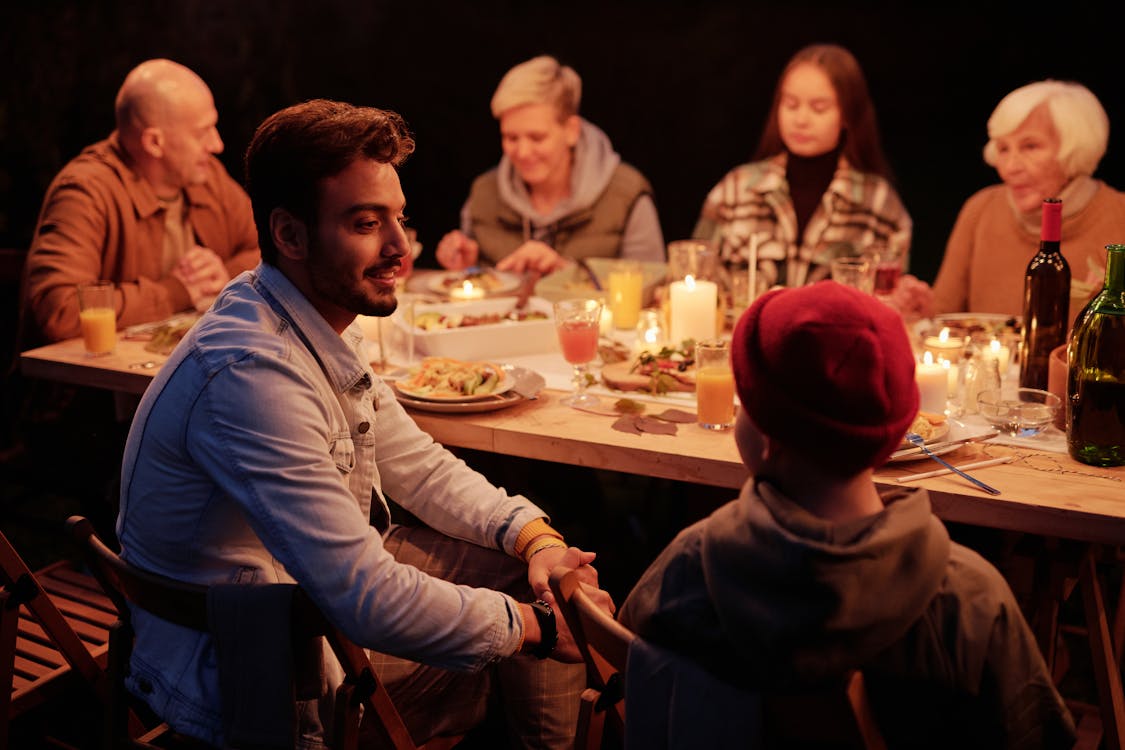
Alternatively, gather your family on purpose. Ask everyone to bring one story, one photo or one dish. Then go around the table and let each person share. Imagine three cousins in Richmond Hill passing around a phone with an old voice note, laughing and crying in the same minute. That’s love doing its work.
You can also honor the role as well as the person. Send a card to an aunt, a teacher or a friend who mothered you along the way. Or call the uncle who stepped in like a father for half the cousins. Love that lost its first address can still find a home.
When grief becomes a friend, and when to get more support
In time, grief can soften into something like a friend. It visits on birthdays, reminds you what mattered and then lets you get on with your day. According to that same National Cancer Institute guide, symptoms ease for most bereaved people somewhere between 6 months and 2 years after the loss.
Sometimes, though, grief stays intense and keeps getting in the way of daily life. The American Psychiatric Association calls this prolonged grief disorder. For adults, it’s only diagnosed once the death was at least a year ago, and an estimated 4% to 15% of bereaved adults develop it. If that sounds familiar, please talk to a doctor, a therapist or a grief counselor.
My role is spiritual counseling and coaching, not therapy. Ritual, prayer and community can sit right alongside therapy, and for many people both belong. If you ever feel unsafe, or you simply need to talk to someone now, call or text 988 to reach the 988 Suicide & Crisis Lifeline. Texting works too, if saying the words out loud feels like too much.
Questions about honoring deceased parents
How do I mark a parent’s death anniversary at home?
Choose one ritual, one comfort and one person to connect with. Light a lamp or diya, offer their favorite food and share a memory out loud. For family rites like a barsi puja, ask a pandit or an elder.
Is it okay to celebrate a deceased parent’s birthday?
Yes. A birthday honors the life, so cake, music and laughter all have a place. Tears are welcome too, right beside them.
What can I say to a friend on their parent’s anniversary?
Say the parent’s name, and share one specific memory if you have one. A text like “Thinking of your dad today. I still remember his laugh” means more than advice. Then offer one concrete thing, such as dropping off dinner.
Is it strange to keep honoring deceased parents years later?
Not at all. Hindu tradition even sets aside 15 days every year, Pitru Paksha, to remember the ancestors. Keep the rituals that still feel alive, and gently let the rest go.
Keep honoring your parents, your way
Your parent is gone from the room, but not from you. You carry their recipes, their sayings and maybe even their stubborn streak. There’s no single right way of honoring deceased parents, and you won’t do these dates perfectly. Perfect was never the point. So water the bonsai. Trim it. Give it light.
If you’d like a steady companion through the hard dates, my one-on-one dharma coaching includes support through grief and life transitions, in person around New York or on Zoom anywhere in the U.S. Whenever you feel ready, you can tell me about the parent you’re honoring, and we’ll go at a pace that feels right.